How to Prevent Frozen Pipes: A Winter Checklist for Midwest Homeowners
This page may contain affiliate links. Some links on this site may be affiliate links, and we may earn a commission from affiliate programs at no extra cost to you.
The first hard freeze usually reaches Wisconsin and the rest of the upper Midwest in November, and it is the week many first-time homeowners learn where their pipes actually run. A pipe that freezes can split, and the leak often doesn't show until the ice thaws and water starts running into a wall, ceiling or basement. The good news is that most frozen pipes can be prevented with an afternoon of prep and a few cheap supplies. This guide covers where to look, what to do before the cold arrives, what to do on the coldest nights, and how to handle a pipe that has already frozen.
| Photo | Product | Best For | Key Spec | Price | Shop |
|---|---|---|---|---|---|
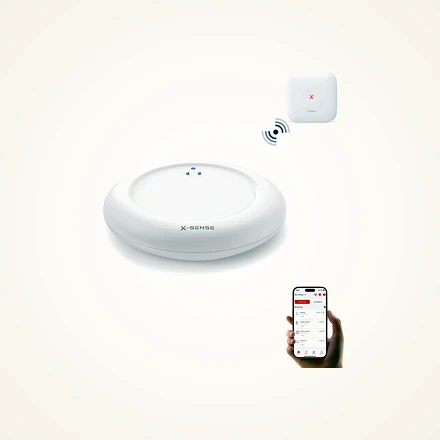 | X-Sense SWS0A Ultra-thin Smart Water Leak Alarm | Best Overall | Verified build quality | ~$16 Code: XSENSEAF12 | View Deal → |
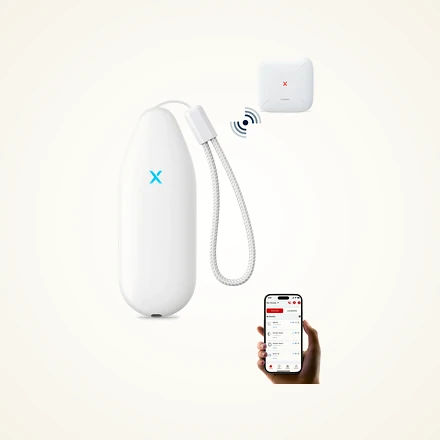 | X-Sense STH51 Smart Thermometer Hygrometer | Best Value | Verified build quality | ~$15 Code: XSENSEAF12 | View Deal → |
Which pipes are most at risk
Pipes freeze where cold air reaches them and household heat does not. The usual trouble spots are outdoor hose spigots, pipes in exterior walls, plumbing under kitchen and bathroom sinks on outside walls, pipes in unheated crawl spaces, attached garages and attics, and the main water line where it enters a basement near the rim joist. Older homes and additions are more likely to have plumbing in poorly insulated spots.
Walk the house with a flashlight before winter. Follow the supply lines from where the water main enters to each fixture, and note any section that runs along a cold wall, through a garage or into a crawl space. Feel for drafts around the rim joist and where pipes pass through walls. That list is your to-do list.
Before the first hard freeze
**Shut off and drain outdoor faucets.** Disconnect and drain every garden hose; a hose left attached can trap water in the spigot. If your outdoor faucets have an interior shutoff valve, close it, then open the outside faucet to let the line drain. Many newer homes have frost-free sillcocks, which keep the valve inside the heated space, but they still need the hose removed to drain properly. An insulated faucet cover adds a little extra protection.
**Insulate exposed pipes.** Foam pipe sleeves are inexpensive, slit lengthwise and slide over copper or PEX lines. Measure the pipe's outside diameter before you buy, since sleeves are sized to fit snugly. Insulation slows heat loss; it doesn't add heat, so it works best on pipes in spaces that stay near freezing rather than deep below it.
**Seal the drafts.** Caulk or foam gaps where pipes pass through exterior walls and around the rim joist in the basement. Close crawl-space vents if your home's design allows it, and keep the garage door shut when plumbing runs through the garage.
**Consider heat cable for problem pipes.** For a section that freezes no matter what, electric heat cable (often sold as heat tape) can keep it above freezing. Look for a product listed by a recognized testing lab such as UL, plug it into a GFCI-protected outlet, and follow the manufacturer's instructions exactly, including whether it can be overlapped or covered with insulation. Some cables are self-regulating and others need a thermostat.
**Find your main shutoff.** Locate the main water shutoff valve, make sure it turns, and tag it so anyone in the house can find it. If a pipe bursts, shutting it off quickly is the difference between a mop-up and a flooded basement. Our first-home tool kit guide covers the basic tools worth having on hand for jobs like this.
On the coldest nights
The American Red Cross recommends keeping the thermostat set to the same temperature day and night during a cold snap and no lower than 55 degrees Fahrenheit if you are leaving home. If you use a setback schedule on a smart thermostat, it may make sense to suspend it during an arctic blast. Our smart thermostat guide explains how schedules and holds work.
Open kitchen and bathroom cabinet doors on exterior walls so warm room air reaches the pipes, and move cleaning chemicals out of reach of kids and pets while the doors are open. Letting a faucet on a vulnerable line drip slowly keeps water moving and relieves pressure in the pipe if ice does form. If you leave for a holiday trip, ask someone to check the house, or consider shutting off the main and draining the lines if you will be gone a long time in deep cold.
If a pipe freezes
Signs of a frozen pipe include a faucet that only trickles or gives nothing, frost on an exposed pipe, or a bulge in a pipe. Open the faucet the pipe feeds so melting water has somewhere to go. Then warm the frozen section gently with a hair dryer, a heating pad or towels soaked in hot water, starting closest to the faucet and working back. Never use a torch, kerosene heater, propane heater or any open flame. If you can't find or reach the frozen section, or the pipe has split, shut off the main water and call a licensed plumber. After a thaw, check the area for drips for a day or two, since small cracks can leak slowly.
Picks worth a closer look
Foam pipe insulation sleeves
Pre-slit polyethylene or rubber foam sleeves sized to your pipe's outside diameter, for exposed lines in basements, crawl spaces and garages.
Self-regulating pipe heat cable
A UL-listed heat cable for a short run of pipe that freezes repeatedly. Check the length, the pipe types it is rated for and whether it needs a separate thermostat.
Insulated outdoor faucet cover
A foam or fabric cover that fits over a hose spigot after the hose is removed.
Hair dryer or heat gun with a low setting
A safe way to thaw a frozen pipe without an open flame. Keep heat guns on low and moving so they don't damage pipes or nearby materials.
Where to buy
A frozen or burst pipe is often noticed late, especially in a basement or crawl space you don't visit every day. Leak sensors and remote temperature sensors give you an earlier warning. These are specific products from a retailer we partner with. We have not tested them; check the features, app requirements and current price on the retailer's page before buying.
X-Sense SWS0A Ultra-thin Smart Water Leak Alarm
Thin Wi-Fi leak sensors that slide under a water heater, washer or sink and send phone alerts along with a local alarm when they detect water. Sold singly or in multi-packs, some with the SBS50 base station.
- Verified build quality
- Practical Midwest design
- Check current X-Sense stock and seasonal bundle sizing before ordering
XSENSEAF1212% Off Your Entire Order w/ CodeOfficial X-Sense affiliate code — use XSENSEAF12 for 12% off your whole order on smoke, CO and leak detectors. Valid through Dec 30, 2026. (verified 2026-11-02)X-Sense STH51 Smart Thermometer Hygrometer
Small temperature and humidity sensor that works with the X-Sense app and base station. Placed in a crawl space, unheated basement corner or cabin, it lets you watch the temperature from your phone.
- Verified build quality
- Practical Midwest design
- Keep battery charged indoors before sub-zero winter trips
XSENSEAF1212% Off Your Entire Order w/ CodeOfficial X-Sense affiliate code — use XSENSEAF12 for 12% off your whole order on smoke, CO and leak detectors. Valid through Dec 30, 2026. (verified 2026-11-02)For smoke and carbon monoxide alarms and the rest of a new homeowner's safety basics, see our home safety essentials guide.
The bottom line
Most frozen pipes are preventable. Drain and shut off outdoor faucets, insulate pipes in cold spaces, seal drafts, know where your main shutoff is, and keep the heat steady during a cold snap. Add leak or temperature alerts for the spots you can't watch, and if a pipe does freeze, thaw it gently and never with an open flame. While you are getting the house ready for winter, our snow blower and winter driveway guide covers the outside of the house too.
Frequently asked questions
At what temperature do pipes freeze?
Water freezes at 32 degrees Fahrenheit, but pipes in unheated or poorly insulated spaces are most at risk when outdoor temperatures drop well below freezing for an extended time, especially overnight.
Should I let my faucets drip in cold weather?
Letting a faucet on a vulnerable line drip slowly keeps water moving and helps relieve pressure if ice forms, which lowers the chance of a burst pipe.
How do I safely thaw a frozen pipe?
Open the faucet, then warm the pipe with a hair dryer, heating pad or hot towels, starting near the faucet. Never use a torch or other open flame, and call a licensed plumber if you can't reach the frozen section or the pipe has split.